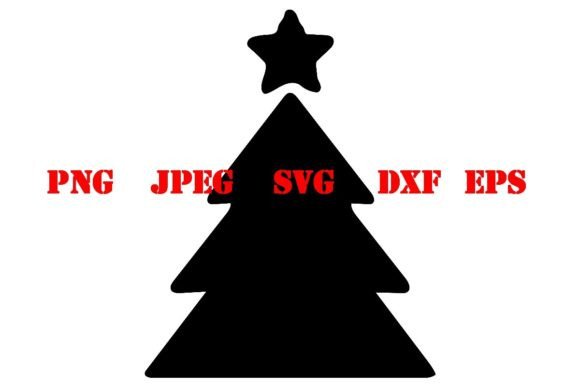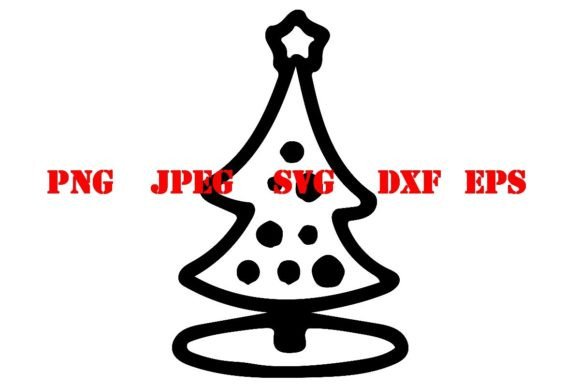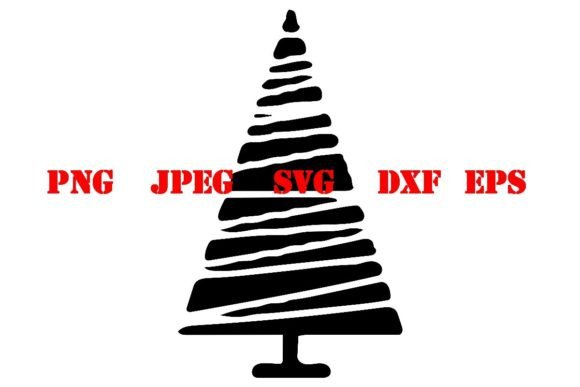
Doodle Christmas Tree: Graphics & Illustrations Review
When sourcing assets for a seasonal rebrand, my primary filter is always versatility. As a graphic designer managing multiple small business accounts, I cannot rely on clipart that only works in one specific context. Recently, while developing a holiday campaign for an artisanal candle brand, I evaluated the Doodle Christmas Tree asset to determine if it could anchor our visual identity across packaging, social media, and print collateral. The goal was to find a balance between professional polish and handmade warmth, avoiding the sterile look of generic stock vectors while maintaining commercial viability.
My first impression of this illustration was its organic fluidity. Unlike rigid geometric vectors often found in corporate design bundles, this graphic possesses a genuine hand-drawn aesthetic that signals authenticity. For clients in the handmade business sector or Etsy sellers, this distinction is critical. The lines have natural variation, suggesting ink on paper rather than digital perfection. This immediately sets a mood of nostalgia and approachability, making it an ideal candidate for brands trying to build emotional connections during the busy holiday shopping season. It feels less like a purchased digital product and more like a bespoke commission, which adds significant perceived value to the final design.
Evaluating Technical Specs for Multi-Format Production
Before integrating any asset into a client workflow, I inspect the technical delivery. A beautiful illustration is useless if it pixelates on a large banner or lacks transparency for layered layouts. This package delivers a comprehensive suite: 1 PNG, 1 EPS, 1 DXF, 1 JPEG, and 1 SVG file. The resolution stands at 300 DPI with dimensions of 39×39 inches, which is exceptionally generous for most commercial design applications.
For my candle label project, the high-resolution PNG with a transparent background was the immediate workhorse. At 39 inches, I had ample headroom to scale down without losing edge crispness, ensuring the doodle style remained sharp even at smaller label sizes. The inclusion of SVG and EPS files is non-negotiable for professional designers; these vector formats allowed me to adjust the stroke weight slightly to match the brand’s existing typography and recolor the tree to align perfectly with their specific Pantone palette. Furthermore, the DXF file makes this a viable option for Cricut projects or laser cutting, expanding its utility beyond digital screens and standard printing into physical merchandise production.
Application in Brand Identity and Packaging Design
In the context of brand identity, the Doodle Christmas Tree functions best as a supporting visual element rather than a primary logo mark. During the concept phase, I utilized it as a secondary lockup element on gift tags and tissue paper patterns. Its playful nature complements serif and handwritten fonts beautifully, creating a cohesive modern design language that feels curated rather than cluttered. For packaging design specifically, the transparent background allows for seamless integration over textured papers or colored substrates without awkward white boxes breaking the immersion.
However, hierarchy is paramount. In editorial design or web design hero sections, this asset shines when given breathing room. It acts as a directional cue or a decorative frame for product photography. When designing Pinterest pins and Instagram posts for the campaign, the tree provided instant thematic recognition, reducing the cognitive load for viewers scrolling through feeds. It effectively communicates "holiday" without relying on cliché red-and-green color schemes, allowing the brand’s unique colors to take precedence while still participating in the seasonal conversation.
Navigating Print-on-Demand and Merchandise Creation
For print-on-demand sellers and crafters, the versatility of this graphic extends to hard goods. I tested the asset on t-shirt design mockups and ceramic mug visualizations. The line quality holds up remarkably well in sublimation design contexts where fine details can sometimes bleed. Because the source files are high-resolution, the edges remain defined even on fabric textures. For sticker design, the organic shape lends itself to die-cut formats naturally, avoiding the boxy appearance of standard raster clipart.
Creators using Canva templates will find the PNG version particularly useful for quick turnaround marketing visuals. However, I recommend serious sellers utilize the SVG or EPS versions in Adobe Illustrator or Affinity Designer for maximum control. Being able to separate elements or modify nodes ensures your products stand out in a saturated creative marketplace. Simply dragging and dropping a static image limits your ability to create unique variations, whereas treating this as a true vector graphic asset opens doors for customized collections and themed series.
Critical Considerations for Visual Hierarchy and Readability
Despite its charm, the Doodle Christmas Tree requires careful placement. It is not suitable for every scenario. In minimalist branding or strict corporate environments, the whimsical line work may clash with clean sans-serif typography and grid-based layouts. I would advise against using this in complex backgrounds where the intricate doodle lines might get lost or create visual noise. Contrast is key; this asset performs best against solid colors or subtle gradients where the linework can be easily parsed by the eye.
Readability also suffers if the asset is scaled too small. While the 39-inch source file is massive, shrinking it below two inches can cause the delicate hand-drawn strokes to disappear in print or appear muddy on low-resolution screens. Always test your design at actual size before sending to production. Additionally, consider the emotional tone; this is a friendly, informal illustration. If your client requires a luxurious, high-end, or solemn aesthetic, this particular style might undermine the desired message of exclusivity or seriousness.
Professional Pre-Flight Checklist for Commercial Use
Before finalizing any project featuring this asset, run through a rigorous quality assurance process. First, verify the commercial license terms to ensure your intended use—whether for client work, personal products, or digital resale—is permitted. Next, test the graphic in black and white. A strong illustration should hold its form without relying on color; if it looks weak in grayscale, it may fail in single-color printing scenarios like embossing or vinyl cutting.
- Contrast Testing: Place the asset on both light and dark backgrounds to ensure visibility. White lines on dark backgrounds often require a slight stroke increase to maintain optical weight.
- Typography Pairing: Test alongside your chosen typeface. Script fonts generally pair well with doodles, but ensure they don't compete for attention. Bold display fonts provide necessary grounding.
- Mockup Validation: Never approve a design based solely on screen view. Print a proof or use realistic product mockups to judge scale and texture interaction.
- File Integrity: Open the SVG/EPS to check for stray points or open paths that could cause issues during cutting or editing. Clean up any artifacts before archiving.
- Audience Alignment: Confirm the playful style resonates with the target demographic. What works for a boutique toy store may not suit a financial advisor’s holiday card.
Ultimately, the Doodle Christmas Tree is a robust graphic design asset for professionals who understand how to leverage texture and tone. It bridges the gap between DIY charm and commercial polish, provided it is used with intentionality. By respecting its stylistic boundaries and utilizing the full range of provided file formats, designers can elevate seasonal projects from generic to genuinely memorable. Whether you are building a comprehensive brand identity system or crafting a single viral social media post, this illustration offers the flexibility and character needed to succeed in today’s visually driven market.