Oh Fudge, Christmas: A Designer’s Embroidery Review
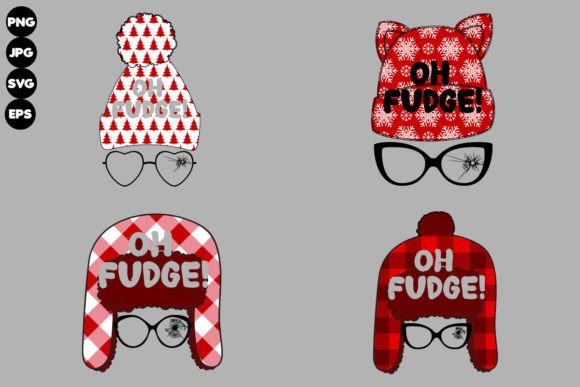
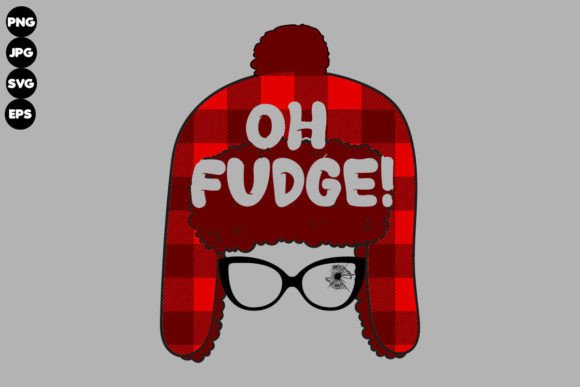
As a professional embroidery designer and product reviewer, I approach every new graphic with a critical eye toward stitchability. When evaluating Oh Fudge, Christmas, my first thought isn't just about the festive pun or the cute typography; it is about how this illustration will translate from a digital screen to physical thread. This design arrives as a versatile package containing PNG, JPG, SVG, and EPS files in high resolution. While these are primarily vector and raster graphics intended for printing on clothes, mugs, signs, or stickers, they serve as an exceptional foundation for digitizing a custom machine embroidery design. The visual personality of Oh Fudge, Christmas strikes a balance between playful nostalgia and modern clean lines, making it a strong candidate for holiday merchandise that needs to appeal to both traditionalists and younger buyers.
Translating Vector Graphics into Stitch Data
The inclusion of SVG and EPS formats is the most significant asset here for embroiderers. Unlike standard raster images, these vector files allow us to zoom in infinitely without pixelation, which is crucial when mapping out satin stitch columns or defining applique edges. When I look at the layout of Oh Fudge, Christmas, I see distinct separation between elements. This is vital because it allows for logical color breaks and reduces unnecessary jump stitches during production. For a craft business or Etsy seller, this means less trimming time and a cleaner finished product. The bold shapes suggest that this design would perform beautifully as an applique design rather than a dense fill stitch composition. By using fabric for the main body of the lettering or icon, you reduce stitch density significantly, keeping garments soft and preventing the "bulletproof" texture that can ruin a delicate baby embroidery project or lightweight sweatshirt.
Real-World Application: The Holiday Sweatshirt Test
To truly evaluate this asset, I mentally placed Oh Fudge, Christmas onto a cream-colored cotton fleece sweatshirt, a staple for any small shop product lineup during the winter season. In this scenario, the design serves as a center-chest placement. The humor in "Oh Fudge" resonates immediately with parents and bakers, creating an emotional connection that drives sales. However, the success of this embroidered patch or direct-to-garment stitching relies entirely on stabilization. Because fleece has a high pile and stretch, I would recommend using a medium-weight cutaway stabilizer and potentially a water-soluble topping to prevent the stitches from sinking into the fabric texture. The high-resolution PNG provided in the set is perfect for creating a printable mockup to show customers exactly what the final personalized gift will look like before you ever hoop the fabric. This step builds customer trust and reduces returns by setting accurate expectations regarding size and placement.
Navigating Fabric Limitations and Hoop Sizes
While Oh Fudge, Christmas is versatile, it requires careful consideration regarding where it should not be used without modification. If you plan to stitch this on a curved surface like a cap, the horizontal span of the text may need to be arched or resized to fit the limited vertical field of a hat frame. Similarly, if you are working with thin, stretchy knits for baby clothes, the design must be simplified. Intricate details in the original illustration might get lost or cause puckering on unstable fabrics. In these cases, utilizing the running stitch for outlines and minimizing internal detail is safer than attempting complex shading. Always confirm your hoop size capabilities before committing to a production run; while the digital files are scalable, your machine’s maximum embroidery area dictates the physical limits of the design. For tea towels or kitchen linens, ensure the stitch density isn't so high that it creates a stiff spot that affects the functionality of the item.
Commercial Viability for Makers and Sellers
For creative entrepreneurs and apparel decorators, the value of Oh Fudge, Christmas extends beyond a single project. It functions as a flexible design asset that can anchor a whole collection. I can envision this graphic adapted for tote bag designs where durability is key, or scaled down for mug cozies and napkins. The professional presentation of the source files suggests that the creator understands commercial needs. However, a word of caution: always verify the specific licensing terms included with your download. Just because you receive four digital files does not automatically grant unlimited commercial embroidery rights for mass production. Confirm whether the license covers selling finished physical products versus selling the digital embroidery file itself. This distinction protects your business and respects the intellectual property of the illustrator.
From a branding perspective, consistency is what separates hobbyists from professionals. Using high-quality graphics like this ensures that your custom apparel and holiday embroidery maintain a cohesive aesthetic across different mediums. Whether you are printing vinyl stickers from the PNG or stitching a satin border based on the EPS, the line weight remains consistent. This recognition factor helps build brand loyalty. Customers who buy a shirt with this design are likely to return for matching items if the quality holds up. Therefore, treating this graphic as a premium base for your work, rather than a quick clip-art fix, elevates the perceived value of your handmade product.
Essential Pre-Stitch Checklist for Success
Before loading Oh Fudge, Christmas into your embroidery software or sending it to production, run through this practical checklist to ensure professional results:
- Test on Scrap Fabric: Never stitch directly on a final product without testing. Use a scrap of the exact material and stabilizer combination you intend to use to check for registration issues or puckering.
- Verify Thread Color Contrast: The digital rendering may show colors that don't exist in your thread library. Select physical thread spools and view them against the actual fabric in natural light to ensure readability.
- Inspect Small Details: Zoom in on the vector file to identify any areas thinner than 1mm. These may need to be thickened manually in your digitizing software to prevent needle breaks or thread shredding.
- Check Stabilizer Compatibility: Match the stabilizer weight to the fabric texture. Heavy canvas needs different support than performance wear, even if the design is identical.
- Mockup Validation: Use the high-res JPG or PNG to create realistic previews. Avoid generic flat mockups; use photos that represent the drape and texture of your specific blank goods.
- Licensing Confirmation: Re-read the terms of use specifically for embroidery. Ensure you are compliant for both personal projects and commercial sales.
Ultimately, Oh Fudge, Christmas offers a delightful blend of seasonal charm and technical flexibility. It is more than just a cute saying; it is a robust starting point for makers who understand that great embroidery begins with great art. By respecting the relationship between the digital graphic and the physical stitch, you can transform these four digital files into best-selling holiday treasures that bring genuine joy to your customers. Whether you are an experienced Etsy seller or a hobbyist making gifts for family, approaching this design with technical mindfulness will ensure your finished product looks as good in hand as it does on screen.